Nipun Gujarat Baseline Survey 2026: Complete Guide to August 4-5 Assessment, PDF, Questionnaire & All Instructions
The Nipun Gujarat Baseline Survey 2026 is a landmark initiative by the Gujarat government aimed at strengthening foundational literacy and numeracy (FLN) among primary school students across the state. Scheduled for August 4 and 5, 2026, this statewide assessment will evaluate students from Balvatika to Class 5 in government, grant-in-aid, and private primary schools. This
comprehensive guide covers everything you need to know about the assessment, PDF questionnaires, schedule, instructions, and the broader Nipun Gujarat Abhiyan framework.
What is the Nipun Gujarat Abhiyan?
The Nipun Gujarat Abhiyan is a state-level mission aligned with the National Education Policy (NEP) 2020 and the NIPUN Bharat Mission launched by the Government of India. The program aims to ensure that every child achieves foundational literacy and numeracy skills by the end of Grade 3, with the national deadline set for 2026-27.
The Gujarat government launched this campaign following the National PARAKH Survey 2024, which revealed significant learning gaps among schoolchildren, particularly in government schools. The Nipun Gujarat Abhiyan is designed to address these gaps through systematic assessment, remedial teaching, and targeted interventions.
Key Objectives of the Campaign:
• Universal foundational literacy and numeracy for all children
• Strengthening reading, writing, and basic mathematical skills
• Creating “Nipun” (proficient) children through quality education
• Implementing NEP 2020’s vision at the state level
Nipun Gujarat Baseline Survey 2026 Overview
The baseline survey serves as the first critical step in the annual assessment cycle. Its primary purpose is to determine the current learning levels of students so that teachers can provide individualized remedial education based on each child’s needs.
Key Details at a Glance:
Aspect Details
Dates August 4-5, 2026
Target Group Balvatika to Class 5 students
Schools Covered All government, grant-in-aid, and private primary schools
Day 1 (Aug 4) Gujarati Language Assessment (Reading & Writing)
Day 2 (Aug 5) Mathematics Assessment (Numeracy)
Conducting Body Gujarat Council of Educational Research and Training (GCERT)
Detailed Schedule and Subject Breakdown
Day 1: August 4, 2026 (Tuesday) – Gujarati Language Assessment
The first day of the baseline survey focuses on Gujarati language skills. Students will be assessed on:
• Reading comprehension – ability to read with understanding
• Writing skills – ability to write coherently and legibly
The question papers will be made available to schools at 6:45 AM on the day of the assessment.
Day 2: August 5, 2026 (Wednesday) – Mathematics Assessment
The second day is dedicated to Mathematics, evaluating students on:
• Numeracy skills – basic number sense and mathematical operations
• Foundational mathematical concepts appropriate for each grade level
Similar to Day 1, the mathematics question papers will be delivered to schools at 6:45 AM.
PDF Questionnaires and Assessment Materials
How to Access the PDF Question Papers
According to official guidelines, all assessment materials are made available through the GCERT web portal. Schools can download the soft copies and take prints as needed. The key instructions regarding materials include:
1. Download from GCERT Portal – All literature and question papers are available in soft copy format
2. Printing Guidelines – Print targets in black and white and file them class-wise
3. Teacher Guides – Teacher guides (especially for Classes 3-5) should be printed in color (or black and white) and bound like a book for preservation and use
4. Tracker/Ledger – The tracker must be preserved for three years and printed on glossy cover pages with appropriate GSM paper
What the Questionnaire Includes
The assessment questionnaires are designed to evaluate foundational skills rather than rote memorization. While specific question papers for 2026 are distributed directly to schools via email and the GCERT portal, they typically cover:
• Gujarati: Letter recognition, word reading, sentence reading, comprehension, and writing exercises
• Mathematics: Number recognition, counting, basic addition and subtraction, and problem-solving
The assessment focuses on Foundational Literacy and Numeracy (FLN) competencies, which are the cornerstone of the NIPUN mission.
All Instructions for Teachers and Schools
Pre-Assessment Preparations
5. Material Preparation – Download all necessary materials from the GCERT portal in advance
6. Printing – Ensure all question papers, teacher guides, and trackers are printed and organized before the assessment days
7. Classroom Arrangement – Set up the classroom to facilitate smooth assessment
During the Assessment
8. Timing – Question papers will be available at 6:45 AM on both days
9. Fair and Transparent Evaluation – Teachers must conduct accurate, impartial, and transparent assessments
10. No Child Left Behind – The assessment must be conducted for every student present
Handling Absent Students
The GCERT guidelines provide clear instructions for students who are absent on the assessment days:
If any student remains absent on August 4 or 5 due to unavoidable reasons, the class teacher must assess the student whenever they return to school
This ensures that no child in the state is left out of the assessment process.
External Evaluation and Quality Check
Within one week of completing the baseline survey, an external evaluation (third-party assessment) will be conducted to verify the quality and accuracy of the assessment results. This external evaluation serves as a quality check mechanism to ensure:
• The integrity of the assessment process
• Accurate recording of student performance
• Reliable data for educational planning
What Happens After the Baseline Survey?
Data Entry and Tracking
Following the assessment, teachers must:
11. Enter student data online through the designated portal
12. Maintain trackers for three years, recording each student’s progress
13. Preserve all assessment materials for future reference
Remedial Teaching and Interventions
The baseline survey is not just an assessment—it’s a diagnostic tool for improving education. Based on the results:
14. Identify Learning Gaps – Teachers can identify which students need additional support in specific areas
15. Individualized Remedial Teaching – Provide targeted remedial education based on each student’s needs
16. Midline and Endline Assessments – The baseline is followed by midline and endline assessments to track progress throughout the academic year
The 55-Day Nipun Campaign
Following the baseline survey and data entry, a 55-day Nipun campaign will be conducted from August 17 to September 5, 2026. During this period:
• Intensive remedial teaching will be provided
• Focus will be on bridging learning gaps identified in the baseline survey
• Students will receive additional support to achieve proficiency
The Broader NIPUN Gujarat Framework
Three-Year Mission (2026-2029)
The Nipun Gujarat Abhiyan is a three-year mission spanning 2026 to 2029. The campaign is structured to ensure sustainable improvement in foundational learning:
Component Description
Baseline Survey Initial assessment (August 4-5, 2026)
Midline Survey Mid-year progress assessment
Endline Survey Year-end proficiency evaluation
Nipun Pakhwada 55-day intensive campaign (Aug 17 – Sep 5)
Alignment with NIPUN Bharat
The Nipun Gujarat Abhiyan is the state-level implementation of the NIPUN Bharat Mission, which aims to ensure that every child in India achieves foundational literacy and numeracy by the end of Grade 3 by 2026-27. Key targets include:
• Reading at least 60 words per minute with comprehension
• Reading and writing numbers up to 9999
• Solving simple multiplication problems
FLN: Foundational Literacy and Numeracy
FLN is the core focus of the Nipun Gujarat Abhiyan. It refers to a child’s ability to:
• Read with understanding
• Write coherently
• Perform basic mathematical operations needed for daily life
Important Guidelines Summary
For Teachers:
17. Download all materials from the GCERT portal in advance
18. Print and organize question papers, guides, and trackers before the assessment
19. Conduct assessments fairly and transparently
20. Assess absent students when they return to school
21. Enter data online after the assessment
22. Preserve records for three years
For Schools:
23. Ensure 100% coverage of all students from Balvatika to Class 5
24. Facilitate external evaluation within one week of the survey
25. Participate in the Nipun Pakhwada from August 17 to September 5
For Parents and Guardians:
26. Ensure your child’s attendance on August 4 and 5
27. Support your child’s learning at home
28. Stay informed about your child’s progress through the school
The Nipun Gujarat Baseline Survey 2026 represents a significant step toward achieving universal foundational literacy and numeracy in Gujarat. Scheduled for August 4-5, 2026, this assessment will evaluate students from Balvatika to Class 5 in Gujarati language and mathematics.
With clear guidelines from GCERT, comprehensive PDF materials available through the official portal, and a robust follow-up mechanism including external evaluation and remedial teaching, the Nipun Gujarat Abhiyan is poised to make a lasting impact on primary education in the state.
નિપુણ ગુજરાત 2026 માટે જરૂરી તમામ સામગ્રી એક જ જગ્યાએ
✅ માર્ગદર્શિકા
✅ પરિપત્ર
✅ FLN Guidelines
✅ GCERT સાહિત્ય
✅ ઉપયોગી અન્ય માહિતી
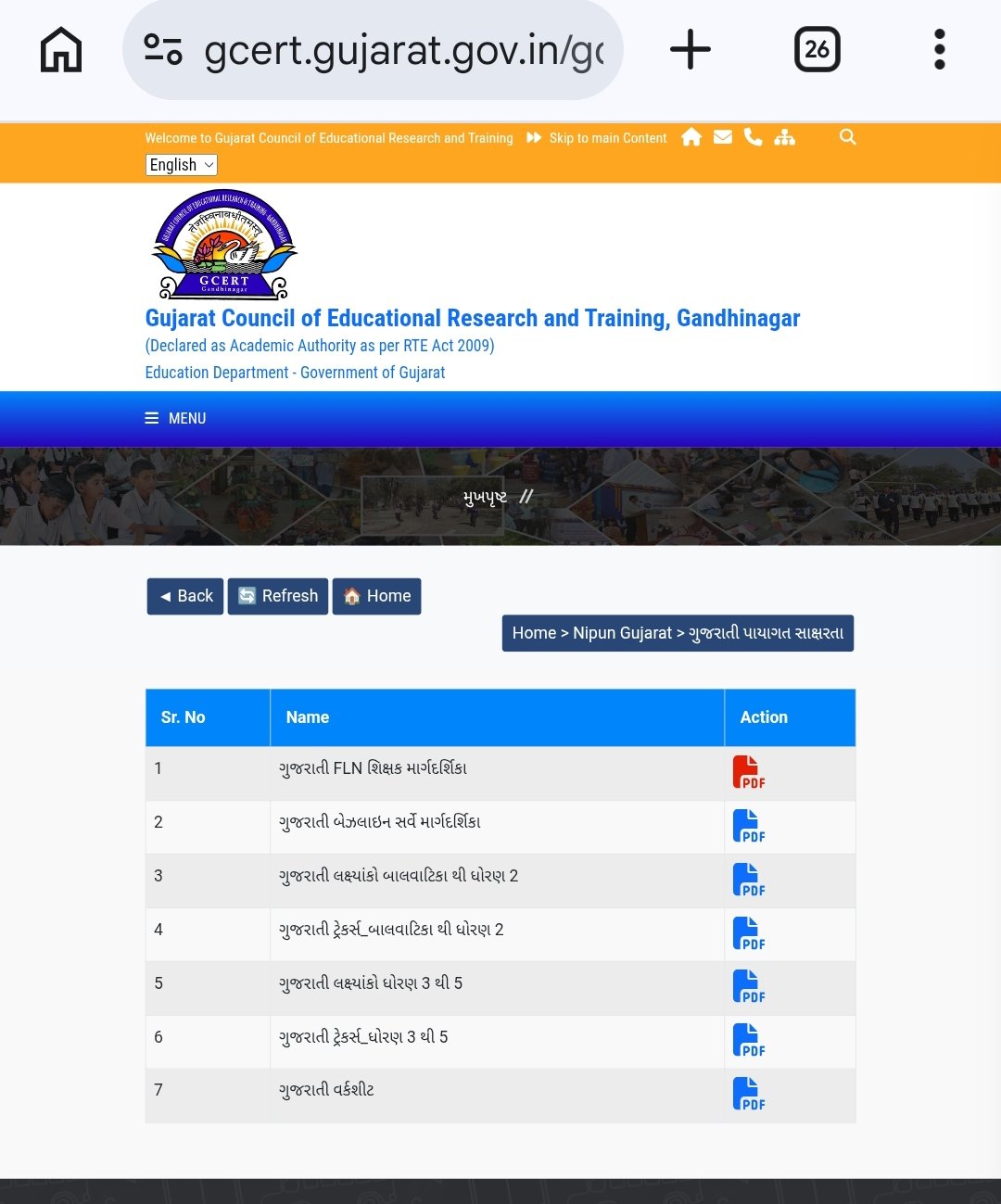
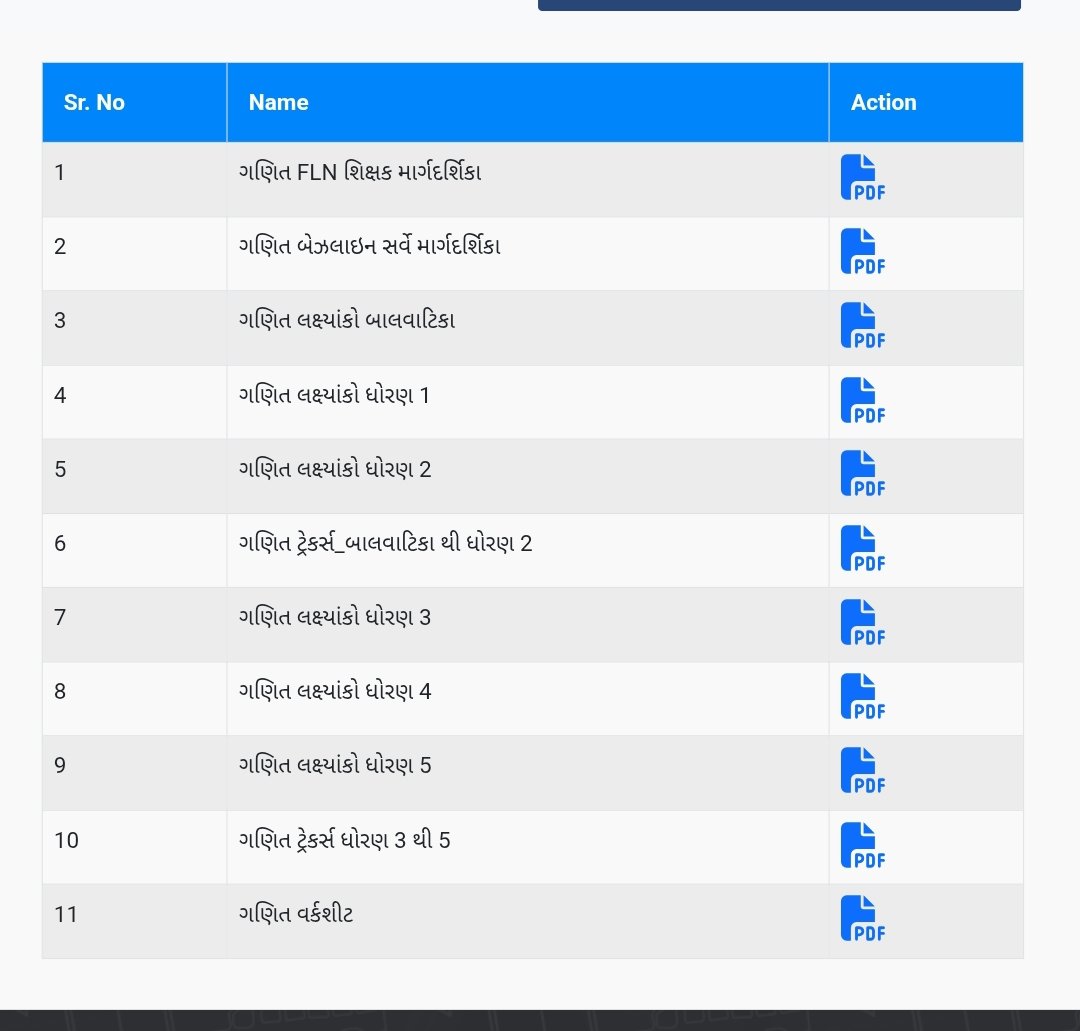
FLN શિક્ષક માર્ગદર્શિકા ,
બેઝલાઇન સર્વે માર્ગદર્શિકા ,
લક્ષ્યાંકો,
ટ્રેકર્સ,
વર્કશીટ
તમામ ડાઉનલોડ કરવા માટે
🤏
નિપૂણ ગુજરાત ગણિત અને ગુજરાતી ટ્રેકર ફાઈલ
નિપૂણ ગુજરાત excel ફાઈલ ડાઉનલોડ કરવા માટે અહીં ક્લિક કરો.
📘 ગુજરાતી માર્ગદર્શિકા
👉 ગુજરાતી માર્ગદર્શિકા ડાઉનલોડ કરવા માટે અહીં ક્લિક કરો
📗 ગણિત માર્ગદર્શિકા
👉 ગણિત માર્ગદર્શિકા ડાઉનલોડ કરવા માટે અહીં ક્લિક કરો
📘 ગુજરાતી માર્ગદર્શિકા
👉 ગુજરાતી માર્ગદર્શિકા ડાઉનલોડ કરવા માટે અહીં ક્લિક કરો
📗 ગણિત માર્ગદર્શિકા
👉 ગણિત માર્ગદર્શિકા ડાઉનલોડ કરવા માટે અહીં ક્લિક કરો
The success of this initiative depends on the collective efforts of teachers, schools, parents, and the education department. By ensuring that no child is left behind and that every student receives the support they need to become “Nipun” (proficient), Gujarat is paving the way for a brighter, more educated future.
Key Dates to Remember:
• August 4, 2026 – Gujarati Baseline Assessment
• August 5, 2026 – Mathematics Baseline Assessment
• August 17 – September 5, 2026 – Nipun Pakhwada (55-day campaign)
For more information, download the official materials from the GCERT portal and stay updated through your school’s communication channels.