Lightning Rods: Your Ultimate Protection Against Lightning Strikes
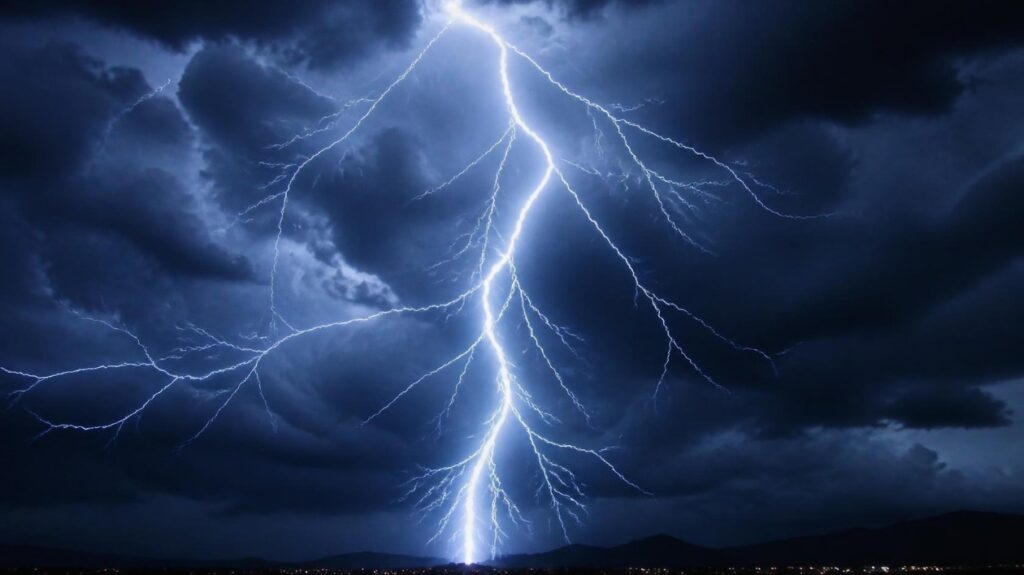
Lightning is one of nature’s most powerful and unpredictable forces. Each year, lightning strikes cause billions of dollars in property damage, destroy countless electronic devices, and tragically claim hundreds of lives worldwide. The question “આકાશ માંથી વીજળી પડવાથી બચાવશે દામિની aaps” essentially asks: Will a lightning arrester protect against lightning strikes from the sky? The answer is a resounding yes—but only when the system is properly designed, installed, and maintained.
In this comprehensive guide, we will explore everything you need to know about lightning protection systems: how they work, the different types available, installation standards, maintenance requirements, historical context, and why every building in lightning-prone areas should have one.
What Is a Lightning Rod?
A lightning rod—also known as a lightning conductor, air terminal, or strike termination device—is a metal rod mounted on a structure to protect it from lightning damage. When lightning strikes, the rod intercepts the strike and safely conducts the massive electrical current to the ground through a wire, preventing the electricity from passing through the building itself.
The formal technical name for a lightning rod is “strike termination device,” and it is just one component of a complete lightning protection system (LPS). A full system includes the rod (air terminal), down conductors, grounding electrodes, and surge protection devices.
How Lightning Rods Work
The working principle of a lightning rod is simple yet brilliant:
1. Interception: The lightning rod is mounted at the highest point of a structure. When a lightning strike occurs, the rod provides the path of least resistance, attracting the strike away from the building.
2. Conduction: The massive electrical current from the lightning strike travels through the rod and down a low-resistance conductor cable.
3. Dissipation: The current is safely discharged into the earth through a grounding system, where the energy is harmlessly absorbed.
In technical terms, a lightning arrester shunts or diverts the massive voltage and electrical current of a lightning strike to an earthed ground. This prevents insulation breakdown in transformers, cables, switchgear, and other sensitive equipment.
Lightning Arrester vs. Surge Protector
It’s important to distinguish between a lightning arrester and a surge protector. A lightning arrester is designed to handle the massive jolt of a direct lightning strike, while a surge protector cannot handle a direct strike at all. Surge protectors are designed for smaller, induced voltage spikes from nearby strikes or switching operations.
The History of Lightning Protection
The story of lightning protection is fascinating and spans centuries.
The first proper lightning rod was assembled by Father Prokop Diviš, a Czech priest and scientist, who erected a grounded lightning rod in 1754. Diviš’s design involved a vertical iron rod topped with a grounded wire, intended to attract lightning strikes and safely conduct them to the ground.
Around the same time, Benjamin Franklin independently developed and popularized his own lightning rod design in the Americas around 1749. Franklin described an iron rod about 8 or 10 feet long, sharpened to a point at the end. His experiments and writings significantly advanced the understanding of electricity and lightning protection.
Franklin’s pointed lightning rod became widely adopted across Europe and North America. By the 1880s, having lightning rods on one’s house was considered desirable and even a status symbol in some communities.
Types of Lightning Arresters
Lightning arresters come in various designs, each suited for different applications and environments.
By Protection Level
Type I – Lightning Arrester: Used for personal protection and protecting electrical installations in the event of direct or nearby lightning strikes.
Type II – Surge Arrester: Formerly known as medium protection or Class C arresters, these protect against induced surges.
Type III – End Device Surge Protection: Protects individual devices from smaller voltage spikes.
By Construction Material
Porcelain Type Lightning Surge Arrester: Uses ceramic housing to contain metal oxide elements. These provide excellent insulation, great heat resistance, and proven reliability at lower initial cost. They are commonly used in substations, power distribution networks, and industrial settings.
Composite Type Lightning Surge Arrester: Uses silicone rubber or polymer housings. These represent newer technology, offering better performance in contaminated environments, superior resistance to pollution and moisture, lighter weight, greater mechanical strength, and improved sealing. They are ideal for coastal areas, chemical plants, and extreme weather regions.
By Application
Station Class Arresters: Offer the best protective level and are capable of diverting the most energy (up to 10kA surges). Used to protect transformers and other critical infrastructure.
Intermediate and Distribution Class Arresters: Typically rated between 3 kV and 30 kV, used for general distribution protection.
Transmission Line Arresters (TLAs): Used on power transmission lines to mitigate the impact of lightning strikes.
Lightning Protection Standards and Regulations
Proper lightning protection isn’t just a good idea—it’s often a legal requirement governed by strict standards.
International Standards
IEC 62305 is the international reference for the installation of lightning protection systems, published by the International Electrotechnical Commission. This standard serves as the basis for national regulations worldwide and covers protection of structures against physical damage through a lightning protection system (LPS).
North American Standards
NFPA 780 – “Standard for the Installation of Lightning Protection Devices” is the primary standard in the United States. It covers traditional lightning protection system installation requirements for ordinary structures, miscellaneous structures, and more.
UL 96A is another nationally recognized standard for lightning protection installation and follow-up inspections.
CAN/CSA B72 covers protection from lightning of buildings including residences, places of public assembly, and industrial structures.
When Is a Lightning Rod Required?
Building codes often require lightning protection systems for:
· All new buildings and additions in accordance with NFPA 780
· Structures assigned risk category IV
· Buildings in thunderstorm-prone areas and high induced voltage areas
· Structures housing electrical generation, transmission, and distribution systems
However, lightning protection may not be required where evaluation using the Risk Assessment Guide in NFPA 780 shows it unnecessary.
Installation Best Practices
Proper installation is critical to the effectiveness of any lightning protection system.
Key Installation Principles
1. Highest Point: The lightning conductor must be installed on the highest point of the structure, fitted on masts at least 2 meters above any other elements.
2. Down Conductors: One or several down conductors must run from the lightning conductor to the ground, using copper tape (minimum 30×2mm) fixed at three points per meter.
3. Direct Path: Down conductors should run as directly and as short as possible, avoiding sudden right-angle bends and upward sections.
4. Multiple Conductors: Two down conductors are required when the route exceeds 35 meters for simple rods, or for buildings over 28 meters tall.
5. Connection: Multiple lightning conductors on the same structure should be connected together.
6. Grounding: The underground grounding system should ideally be in an area that stays moist during storms. Salt may be used to improve electrical connection with the ground.
7. Control Junction: A control junction and 2-meter mechanical protective tube must be installed at the bottom of each down conductor.
The Rolling Sphere Technique
Historical understanding assumed that each rod protected a cone of 45 degrees. This has been found to be unsatisfactory for protecting taller structures. A better technique is the rolling sphere technique, developed by Dr. Tibor Horváth. This method accounts for how lightning actually “moves” and provides more accurate protection zone calculations.
Maintenance: The Key to Long-Term Protection
A lightning protection system can last for decades, but without proper inspection and maintenance, its effectiveness can degrade over time. Factors such as environmental conditions, corrosion, structural modifications, and even past lightning strikes can compromise performance.
Recommended Inspection Intervals
According to NFPA 780:
· Annual visual inspections to check for visible damage, loose connections, or corrosion
· Semiannual inspections for systems exposed to harsh weather conditions or rapid temperature fluctuations
· Comprehensive inspections every 3–5 years to assess grounding resistance, continuity of conductors, and overall system integrity
· Inspections after major structural changes
· Post-lightning strike inspections to determine if the system sustained damage
Key Areas to Inspect
A thorough inspection should cover:
1. System Integrity: Ensure all components (air terminals, conductors, grounding electrodes) are securely fastened and undamaged
2. Corrosion and Wear: Check metal components for corrosion
3. Continuity Testing: Periodically measure ground resistance values
4. Grounding Resistance Testing: Verify effective dissipation of lightning energy
5. Surge Protection Devices (SPDs): Verify surge protectors are in place and functioning
Critical Maintenance Tasks
· Tightening loose clamps and connectors
· Replacing corroded or damaged components
· Ensuring no new building additions interfere with system performance
· Updating records of inspections, repairs, and modifications
“A neglected system is as good as no system at all.”
—
Why Lightning Protection Matters
The Cost of Inaction
Lightning strikes pose a significant threat to life and property. A single strike can cause:
· Structural damage to buildings
· Electrical failures and destruction of transformers, motors, and other electrical components
· Costly downtime for businesses
· Fatalities – deaths due to lightning strikes have been increasing in some regions
Studies show that optimized arrester placement can reduce the Lightning Flashover Rate (LFR) by up to 97.73%.
Protecting People
The primary purpose of a lightning protection system is to save lives. By providing a safe path for lightning current, these systems prevent electrocution and fires that could harm building occupants.
Protecting Equipment
Lightning surge arresters divert excess voltage safely to the ground, preventing costly damage and dangerous power outages. This is especially critical for facilities with sensitive electronic equipment, data centers, hospitals, and industrial operations.
Business Continuity
A well-maintained LPS protects physical assets and ensures business continuity by preventing unexpected downtime due to lightning-related failures.
Frequently Asked Questions
Do lightning rods attract lightning?
Yes and no. Lightning rods don’t “attract” lightning in the sense of pulling strikes from far away. Rather, they provide the path of least resistance for a strike that is already going to hit the structure. Think of them as offering a safe alternative route rather than inviting danger.
Can a lightning rod protect my entire property?
A properly designed system can protect the structure it’s installed on. However, the protection zone is limited. Professional assessment using standards like IEC 62305 determines the appropriate level of protection needed.
Do I need a lightning rod for my home?
If you live in an area with frequent thunderstorms or your home is in an exposed location (hilltop, isolated building), a lightning protection system is highly recommended. Building codes in many jurisdictions require them for certain structures.
How long do lightning rods last?
With proper maintenance, a lightning protection system can last for decades. Regular inspections (at least annually) and maintenance are essential to ensure continued effectiveness.
Conclusion
The answer to “આકાશ માંથી વીજળી પડવાથી બચાવશે દામિની aaps” is a definitive yes – a lightning arrester will protect against lightning strikes from the sky, but only when properly designed, installed, and maintained.
From Benjamin Franklin’s pioneering experiments in the 18th century to today’s sophisticated IEC and NFPA standards, lightning protection technology has evolved to become highly effective at safeguarding lives and property. Modern systems combine air terminals (lightning rods), low-resistance down conductors, robust grounding systems, and surge protection devices to provide comprehensive protection.
Remember these key takeaways:
1. Lightning protection is not optional – it’s a critical safety investment
2. Professional installation following NFPA 780 or IEC 62305 standards is essential
3. Regular maintenance (at least annually) keeps the system effective
4. Post-strike inspections are crucial – a system can be damaged without visible signs
Don’t wait until lightning strikes to discover your system has failed. Invest in proper lightning protection today and ensure the safety of your building, your equipment, and most importantly, the people inside.